Year-End Payroll Checklist for Multi-State, Multi-Location Employers
A year-end payroll checklist for a single-location business mostly involves verifying W-2 data and hitting deadlines.

A year-end payroll checklist for a single-location business mostly involves verifying W-2 data and hitting deadlines. For a client with crews in three states and offices in two cities, it’s a different list. Employees who crossed state lines need wages allocated correctly, every jurisdiction needs its own reconciliation, and each state’s January changes need to be loaded before the first payroll of 2027.
This checklist is built for accountants and bookkeepers closing out 2026 for multi-state, multi-location clients. It covers the key filing deadlines, what to verify before and after the final payroll run, the 2027 changes to load now, and where multi-state employers most often get tripped up.
What Does a Year-End Payroll Checklist Cover?
A year-end payroll checklist covers three phases: verifying data before the final payroll run, reconciling filings after it, and preparing the payroll system for January 1. For multi-state employers, each phase also includes state-level work, such as allocating wages by work location, reconciling each state’s withholding, and loading new state rates.
The goal is simple. Every W-2, Form 941, Form 940, and state return should tie to the same payroll records, with no surprises in January.
For 2026, the checklist is longer than usual. Tax year 2026 W-2s are the first to require Box 12, Code TT for qualified overtime, and several states have changes taking effect January 1, 2027.
Key 2026 Year-End Payroll Deadlines
Most federal year-end deadlines fall on February 1, 2027, because January 31 lands on a Sunday. The IRS confirms the W-2 date in its General Instructions for Forms W-2 and W-3 (2026).
| Filing | What it covers | Deadline |
|---|---|---|
| Form W-2 and W-3 | Employee wages and withholding, filed with SSA and furnished to employees | February 1, 2027 |
| Form 1099-NEC | Nonemployee compensation paid to contractors | February 1, 2027 |
| Form 941 (Q4) | Fourth-quarter federal withholding, Social Security, and Medicare | February 1, 2027 |
| Form 940 | Annual federal unemployment (FUTA) tax | February 1, 2027 |
| Forms 1094-C and 1095-C | ACA reporting for applicable large employers | Furnish in early March; e-file by March 31, 2027 |
| State W-2 and annual reconciliations | State withholding totals, by state | Varies by state, often February 1 |
Employers that deposit Forms 941 and 940 taxes on time get until February 10, 2027, to file those two returns, per the IRS employment tax due dates page.
Forms 1094-C and 1095-C apply only to applicable large employers. Instead of mailing every employee a Form 1095-C, employers can post a website notice that copies are available on request. The IRS confirms each year’s exact furnishing and paper filing dates in its Instructions for Forms 1094-C and 1095-C. State deadlines vary, so check each state where the client withholds.
Before the Final Payroll Run
Most year-end problems are cheaper to fix before the last payroll of the year than after it. Once the final run posts, corrections usually mean adjustments, amended returns, or a Form W-2c.
Verify Employee Data, Including Work Locations
Start with the basics: legal names, Social Security numbers, and current mailing addresses. A mismatched name or SSN is one of the most common reasons a W-2 gets rejected.
For multi-state clients, go a step further and verify work locations, not just home addresses. Withholding generally follows where the work was performed, so an employee who lives in one state but worked on job sites in two others needs all three reflected in payroll.
Reconcile State Wage Allocation
Pull a year-to-date report of wages by state for every employee who worked in more than one. Then check that wages were allocated to each state based on where the work actually happened.
This is where multi-location employers get exposed. If a crew spent six weeks on a project across the state line, but the payroll system kept withholding for the home state, that state’s wages and withholding are both wrong. Some states require withholding from the first day of work, while others set day or wage thresholds before withholding kicks in.
Our multi-state payroll guide covers how those rules differ.
Confirm Reciprocity Agreements and Resident Credits
Some neighboring states have reciprocity agreements, which let employees pay income tax only to their home state. Confirm that employees covered by an agreement filed the right exemption form with the employer, and that withholding matches.
Where there’s no reciprocity, employees may owe tax to both their work state and home state, with a credit on the resident return. Make sure the client’s payroll system handled the withholding the way the employee’s situation requires.
Check Local Taxes
City, county, and school district taxes are easy to miss in multi-location businesses. Jurisdictions like Ohio municipalities, Pennsylvania local earned income tax districts, and Kentucky occupational license tax localities each have their own rules and filings.
Confirm that each employee’s local withholding reflects where they worked, especially if the client opened a new location or started work in a new city during the year.
Run Bonuses, Fringe Benefits, and Off-Cycle Pay Through Payroll
Every form of taxable compensation needs to land in payroll before the year closes. That includes year-end bonuses, gift cards, personal use of company vehicles, taxable fringe benefits, and any checks cut outside the normal payroll run.
For multi-state clients, also confirm that bonuses are allocated to the right states. A bonus tied to work performed in another state may also need to be sourced there.
Confirm Code TT and Code TP Amounts
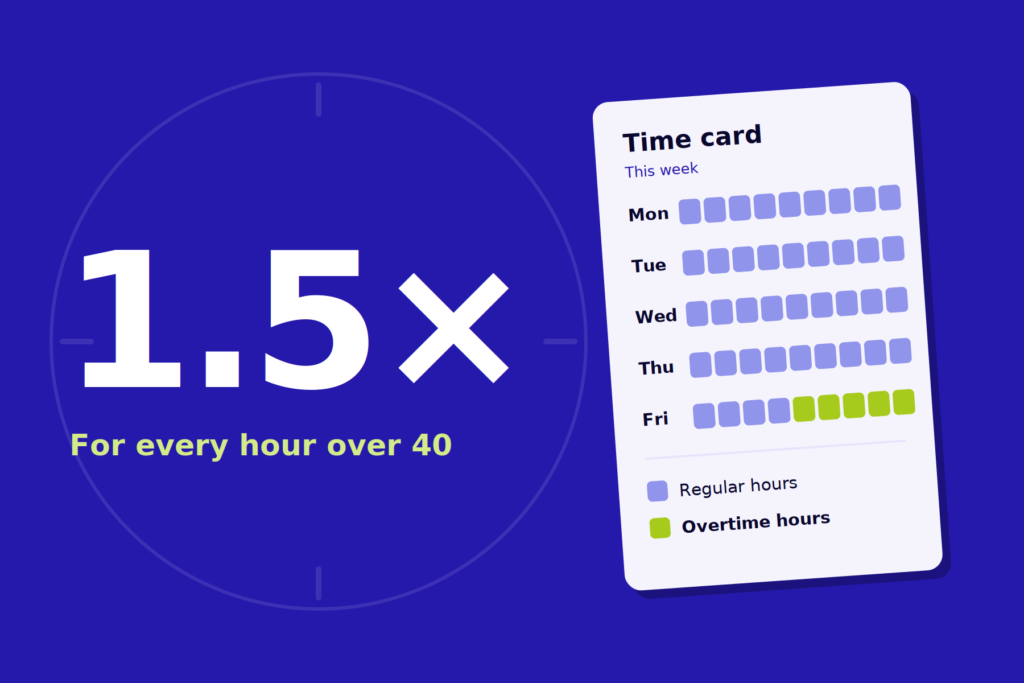
Tax year 2026 is the first year employers must report qualified overtime compensation in Box 12 using Code TT. Only the FLSA-required premium counts, the “half” in time-and-a-half. Overtime required only by state law, such as California’s daily overtime, is excluded.
The IRS raised the stakes in August. Under Fact Sheet FS-2026-13, employees can generally deduct only the qualified overtime reported in Code TT, and errors require a corrected Form W-2c. The new Code TP reports cash tips, paired with a Treasury tipped occupation code in the new Box 14b.
Ask the client’s provider for a year-to-date report of the FLSA premium, by employee, before the final run. Our guide to how overtime is reported on the W-2 walks through the audit step by step.
Fingercheck calculates the FLSA overtime premium automatically every pay period and prints Box 12, Code TT on every W-2 that requires it.
After the Final Payroll Run
Once the last payroll of 2026 posts, the job shifts from verifying to reconciling. Every return should tie to the same year-to-date payroll records.
Tie Quarterly Filings to W-2 Totals
Add up the four quarters of Form 941 and compare the totals to the W-3. Federal wages, Social Security wages, Medicare wages, and withholding should all match.
Then do the same for each state. State quarterly withholding returns and unemployment filings should tie to the state wage and withholding amounts on the W-2s. A mismatch now is much easier to fix than a notice next summer.
Review W-2s With Multiple States
A standard W-2 has room for two states in Boxes 15 through 17. Employees who earned wages in three or more states need an additional W-2 to report the remaining states.
Spot-check a few multi-state employees. Confirm that each state’s wages and withholding match the allocation report you reviewed before the final run.
Prepare Form 940 and Check FUTA Credit Reduction States
Most employers pay an effective FUTA rate of 0.6% on the first $7,000 of each employee’s wages. Employers with wages in a credit reduction state pay more, calculated on Schedule A of Form 940.
For 2026, the Department of Labor listed California and the U.S. Virgin Islands as potential credit reduction jurisdictions. California faces a base reduction of 1.5% that could rise with an additional add-on. The Virgin Islands paid off its federal loans this spring, so it may avoid a reduction.
The final list comes after November 10, 2026. If a client has employees in California, budget for the higher FUTA rate now and confirm the final rate once the Department of Labor publishes it.
Get Ready for January 1, 2027
The first payroll of the new year is the next deadline. Changes that take effect January 1 need to be loaded before that run, not discovered after it.
Update the Social Security Wage Base
The Social Security wage base rises to $192,300 in 2027, up from $184,500 in 2026. Confirm the client’s payroll system has the new limit, especially for highly paid employees who hit the cap mid-year.
Load New State Unemployment Rates
Most states issue new SUI rate notices for the coming year in late fall or early winter. For multi-state employers, that means one rate notice per state.
Collect each notice and load the new rates before the first 2027 payroll. Check whether any state’s taxable wage base is changing, too.
Apply Minimum Wage Increases by Location
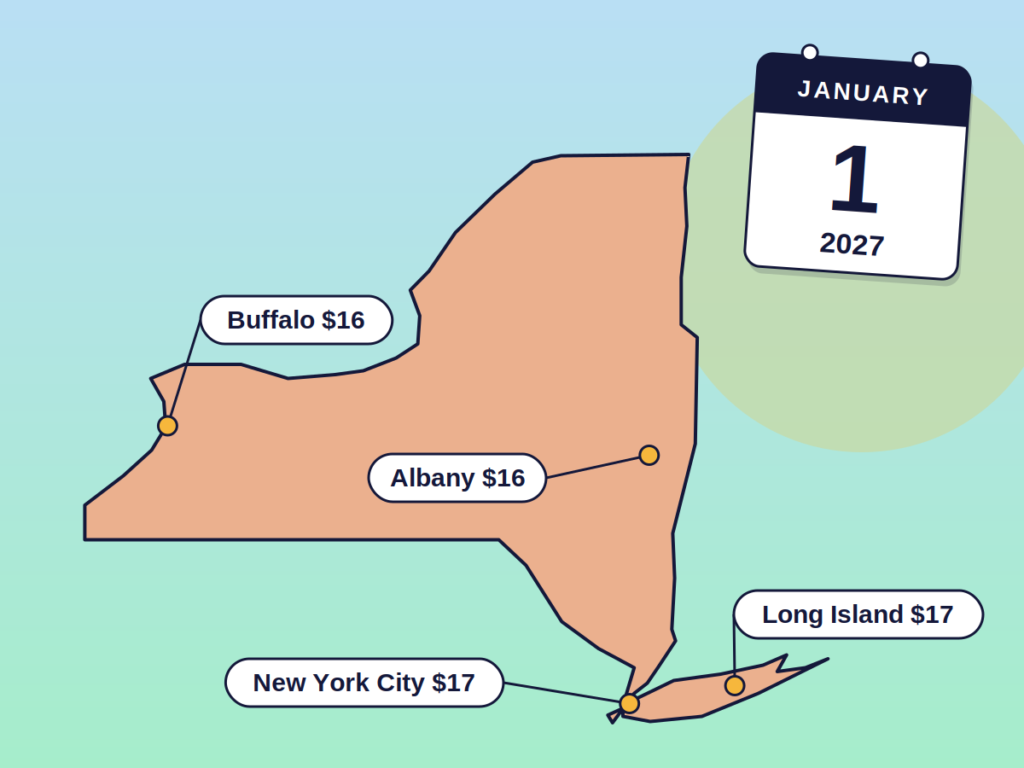
Multi-location employers have to track minimum wage by state and, in many places, by city or county. Not every state changes on January 1, and some don’t change at all. Here’s how four states compare:
| State | 2026 rate | Next change | Effective date |
|---|---|---|---|
| California | $16.90 | $17.40 | January 1, 2027 |
| Colorado | $15.16 | $15.71 | January 1, 2027 |
| Florida | $15.00 | Annual inflation adjustment | January 1, 2028 |
| Texas | $7.25 (federal minimum) | No change scheduled | — |
California’s 2027 rate comes from the state Department of Industrial Relations, and Colorado’s from the Colorado Department of Labor and Employment. Florida’s $15 rate holds through December 31, 2027.
Local rates often run higher than the state rate. Check each city or county where the client has a location, and update pay rates and required postings before January 1.
Register in Any New States
If a client hired its first employee in a new state this year, or started work there, confirm it registered for withholding and unemployment in that state. Unregistered states are a common source of penalty notices for growing employers.
Also check for new obligations in existing states. In Maryland, contributions to the new Family and Medical Leave Insurance (FAMLI) program begin January 1, 2027, with the first quarterly report due April 30, 2027.
Where Multi-State Employers Get Tripped Up
The same handful of errors shows up year after year in multi-state payroll. Most trace back to a payroll system that assumes every employee works in one place.
| Common error | What it looks like | How to prevent it |
|---|---|---|
| Withholding only for the home state | State wages on the W-2 don’t match where work happened | Track time by job site and allocate wages by work location |
| Missed local taxes | Notices from cities or school districts months later | Map every location to its local tax jurisdictions |
| Unregistered states | Penalty notices for unfiled withholding or SUI returns | Register as soon as work begins in a new state |
| Old SUI or minimum wage rates in January | Underpaid contributions or underpaid employees | Load new rates before the first payroll of the year |
| Code TT calculated on all overtime | Inflated Code TT and corrected W-2s | Separate FLSA overtime from state-required overtime |
Every error in that table starts with time data. When a payroll system knows where each hour was worked; state allocation, local taxes, and overtime classification follow automatically.
That’s how Fingercheck is built. GPS-verified time tracking records where employees work, and multi-state payroll runs across all 50 states with same-pay-cycle tax calculation. Withholding follows the work, not just the employee’s home address.
If a client’s current system can’t do that, year-end is a good time to plan a change. Our guide on when to switch payroll providers covers what a switch involves and how long it takes.
Close 2026 Cleanly and Start 2027 Ready
A year-end payroll checklist for multi-state employers comes down to one principle: every filing should tie to payroll records that reflect where employees actually worked. Verify data and state allocations before the final run, reconcile every return after it, and load January’s changes before the first payroll of 2027.
For accountants, that work is far easier when the client’s payroll and time tracking already do it automatically. Clients whose systems don’t, are worth a conversation before the next year-end comes around.
No perfect time. Just the right one.
Bring client payroll onto one platform built for hourly and field-based workforces.
Year-end payroll FAQs
Ready to find out how easy a switch could be? See why businesses switch to Fingercheck.